This Gluten-Free Sourdough Starter has a fresh, tangy aroma, a mild sour flavor, and a bubbly texture that brings life to homemade baking. It works well with naturally gluten-free flours, making it a great base for bread, pancakes, and other slow-fermented favorites.
Helpful Tips for Making a Gluten-Free Sourdough Starter
Use filtered water whenever possible, since chlorine in tap water can slow fermentation. A warm room helps too, and most starters do best when kept around 70 to 75 degrees Fahrenheit.
Choose one gluten-free flour and stick with it for the first week so you can better track how your starter behaves. Stir well at every feeding, use a clean nonreactive jar or bowl, and do not panic if activity seems uneven in the first few days.
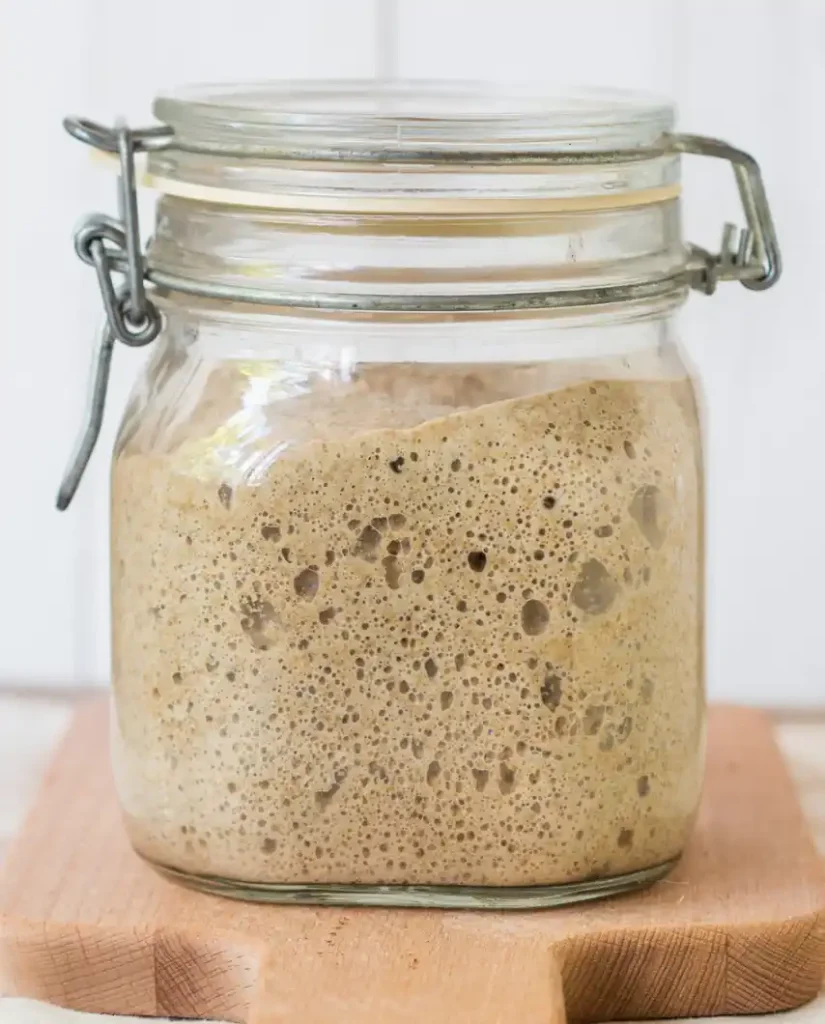
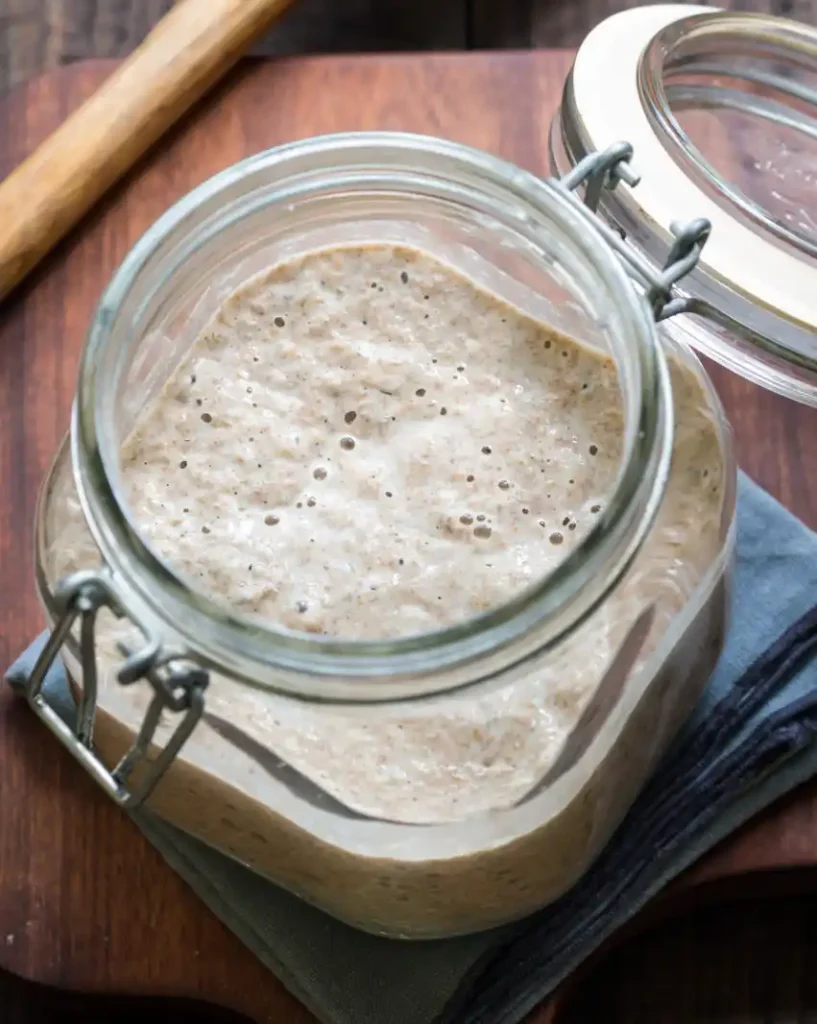
A gluten-free starter may not rise as dramatically as a wheat-based starter, so bubbles and aroma are often better signs than height alone. If it seems very thick, add a small splash of water, and if it looks runny, mix in a little more flour.
What is gluten-free sourdough starter?
A gluten-free sourdough starter is a fermented mixture of gluten-free flour and water that captures wild yeast and beneficial bacteria from the environment. As it matures, it becomes bubbly, tangy, and active enough to help baked goods rise naturally.
Unlike a traditional starter made with wheat flour, this version starts with gluten-free flour from day one. That makes it a better choice for gluten-free baking and for people who need to avoid gluten-containing grains.
Gluten-free flours you can use:
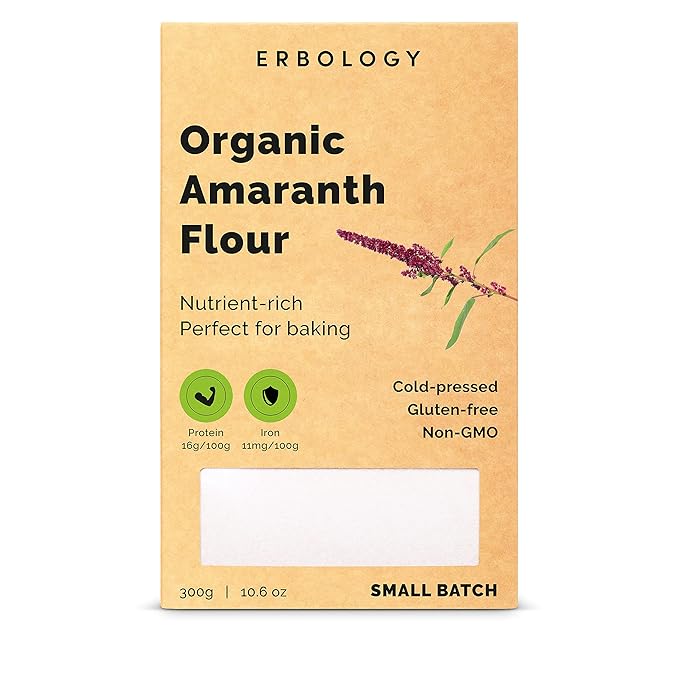
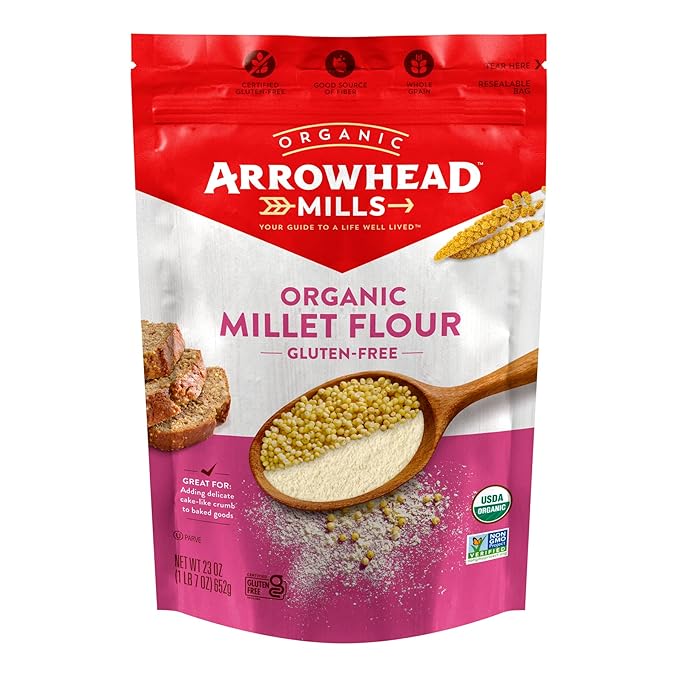
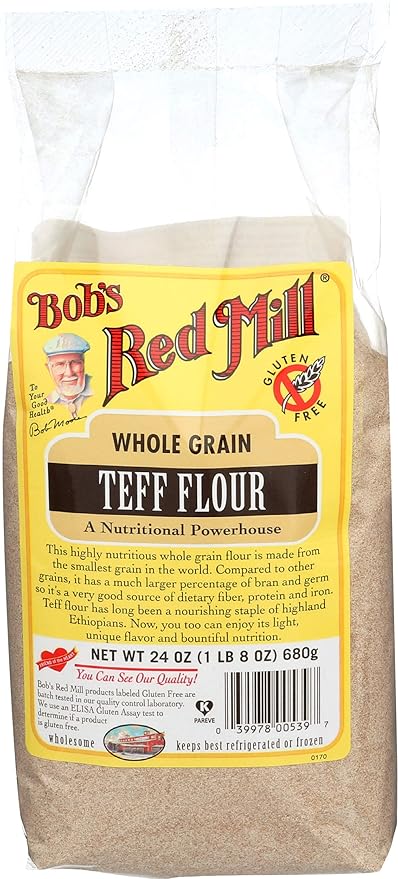
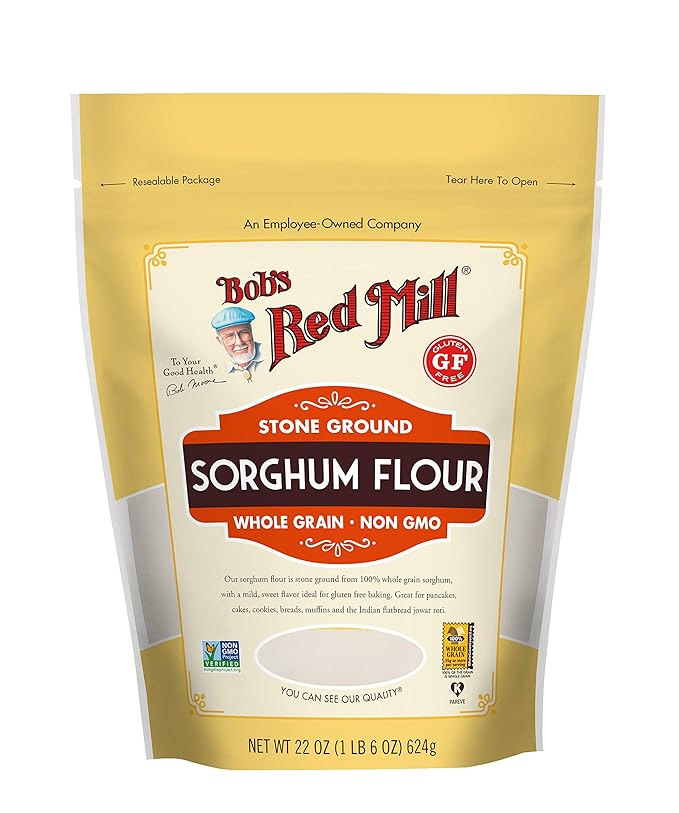
You can make a gluten-free starter with several different flours, and each one behaves a little differently during fermentation. Good options include buckwheat, teff, millet, rice flour, and sorghum flour.
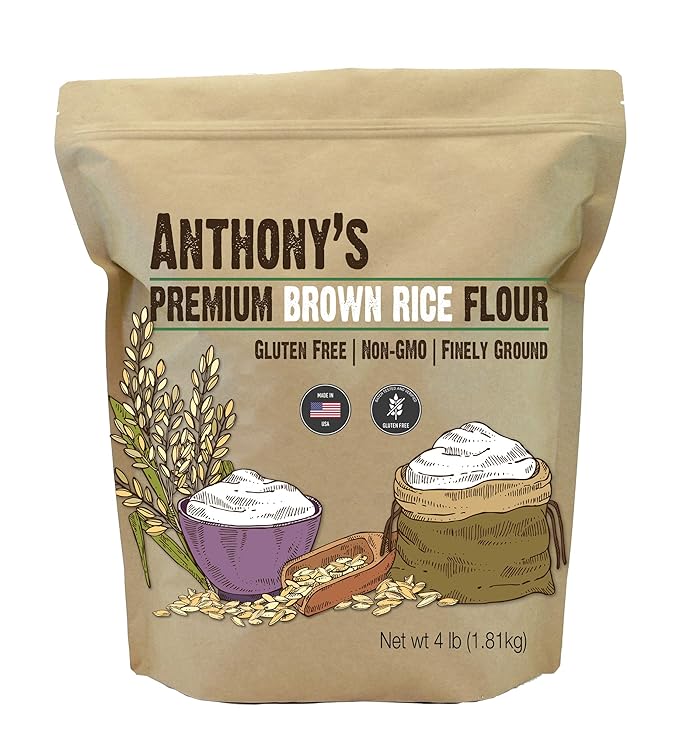
Brown rice flour is also commonly used and may produce a noticeably bubbly starter. Some bakers also use gluten-free flour blends, although results can vary depending on the starches and gums in the mix.
For beginners, buckwheat, sorghum, teff, or brown rice flour are often the easiest places to start because they are widely recommended for starter strength and consistency.
How To Make A Gluten-Free Sourdough Starter From Scratch
Day 1: Mix Flour And Water Together:
Combine 1/4 cup flour with 1/4 cup filtered water in a clean bowl or jar. Stir vigorously, scraping down the sides so everything is fully incorporated, then cover with a clean tea towel and let it sit for 24 hours.
Day 2: Discard Some Starter And Feed:
Discard half of the mixture. Add 1/4 cup gluten-free flour and 1/4 cup water, stir well, cover again, and leave it at room temperature for another 24 hours.
Day 3, 4, and 5: Remove some of the starter and feed the rest:
Repeat the same process each day. Discard half of the starter, add 1/4 cup flour and 1/4 cup water, stir vigorously, cover, and let it rest for 24 hours.
Days 6 and 7: Feed your starter every 12 hours:
On days six and seven, keep the same feeding amounts, but feed the starter every 12 hours instead of every 24 hours. By day seven, it should smell pleasantly tangy and show enough bubbling and activity to use for baking.
FAQs:
Is a sourdough starter gluten-free?
A sourdough starter is only gluten-free if it is made entirely with gluten-free flour. A regular starter made with wheat flour still contains gluten, even after fermentation.
Is Sourdough OK for gluten intolerance?
Traditional sourdough made with wheat is not considered safe for people with celiac disease because it still contains gluten. For someone with gluten intolerance, a true gluten-free sourdough made from gluten-free flour is the safer option.
Which flour works best for making a gluten-free sourdough starter?
Buckwheat, teff, millet, rice flour, and sorghum are all solid choices for a gluten-free starter. Brown rice flour, sorghum flour, and buckwheat flour are especially often recommended because they tend to ferment well and create reliable activity.
Why do you discard sourdough starter?
Discarding keeps the starter from growing too large and helps maintain a balanced amount of fresh flour and water for the yeast and bacteria. It also helps the culture stay active and healthy as it develops.
Gluten-Free Bread To Make ASAP!
- Gluten Free Sourdough Bread
- Gluten Free Sourdough Bread
- Gluten-Free Focaccia Bread
- Gluten-Free Pita Bread
- Gluten Free Bread Recipe
You can also FOLLOW ME on Pinterest to see more of the delicious food I’m making!
Gluten-Free Sourdough Starter Recipe
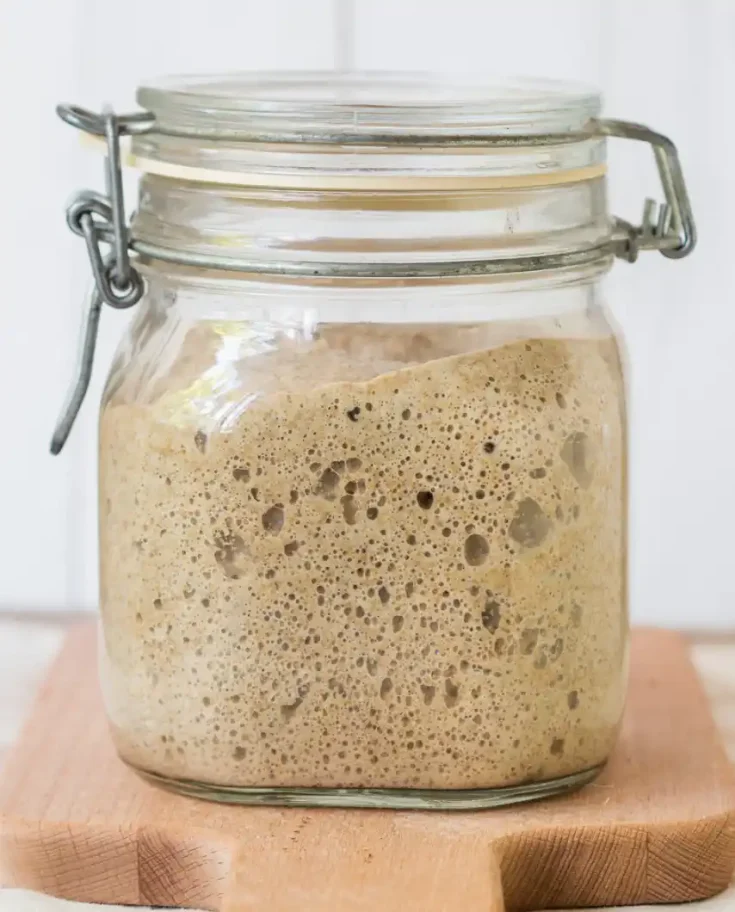
Learn how to create a gluten-free sourdough starter with this easy guide. Perfect for delicious, homemade gluten-free bread and more!
Ingredients
- Flour, buckwheat, teff, millet, rice, or sorghum, or a gluten-free one-to-one flour blend
- Filtered water
Instructions
- Day 1: Mix Flour And Water Together:
Combine 1/4 cup flour with 1/4 cup filtered water in a clean bowl or jar. Stir vigorously, scraping down the sides so everything is fully incorporated, then cover with a clean tea towel and let it sit for 24 hours. - Day 2: Discard Some Starter And Feed:
Discard half of the mixture. Add 1/4 cup gluten-free flour and 1/4 cup water, stir well, cover again, and leave it at room temperature for another 24 hours. - Day 3, 4, and 5: Remove some of the starter and feed the rest:
Repeat the same process each day. Discard half of the starter, add 1/4 cup flour and 1/4 cup water, stir vigorously, cover, and let it rest for 24 hours. - Days 6 and 7: Feed your starter every 12 hours:
On days six and seven, keep the same feeding amounts, but feed the starter every 12 hours instead of every 24 hours. By day seven, it should smell pleasantly tangy and show enough bubbling and activity to use for baking.
Recommended Products
As an Amazon Associate and member of other affiliate programs, I earn from qualifying purchases.


Hi! Which whole grain flour do you recommend? Thanks!
you can use: sorghum, buckwheat, brown rice, amaranth, teff, millet, quinoa
Which of those flours did you use?
I would use the brown rice flour, my wife gluten free and seems to be o.k with it
Hi! How do you maintain this starter? Is it like a traditional starter where you keep the jar in the fridge & feed it once a week? Does it keep indefinitely as long as you remember to feed it?
Hi there! Yes, maintaining this starter is similar to a traditional sourdough starter. You can keep it in the fridge and feed it about once a week. To feed it, discard a portion (about half) and add equal parts flour and water by weight. As long as you stick to this routine, the starter can last indefinitely. Just remember to bring it to room temperature before using it in recipes. 😊
Are you keeping a portion of the starter and feeding it once a week , and feeding the other starter every day ? I’m confused
Can you use multiply flours to make up the 280 grams.
When you discard do you save the discard